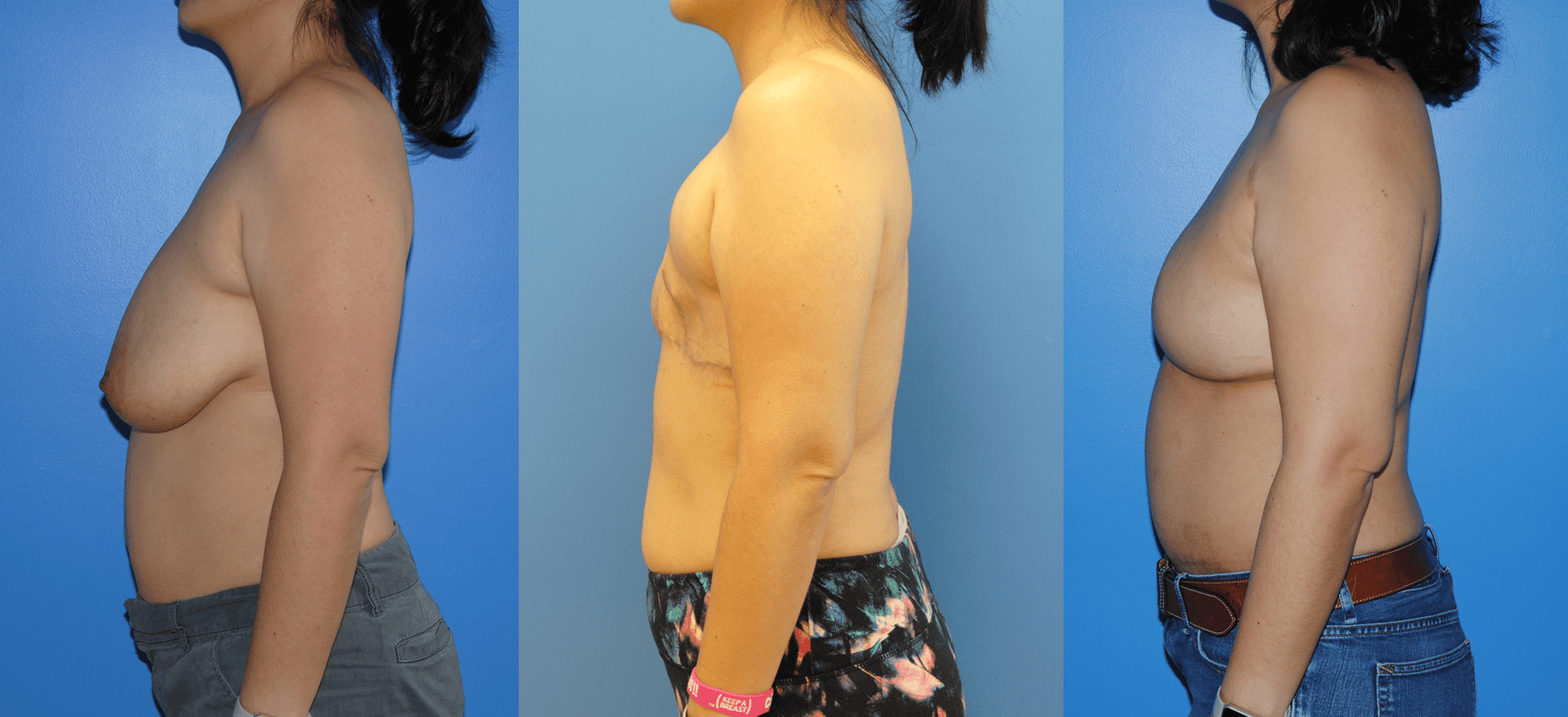
Autologous breast reconstruction is when the body’s own tissue is used to reconstruct the breast. There are several different parts of the body that serves as donor sites for breast reconstruction. Common areas of donor site locations include the abdomen, the back, and the gluteal region. When the breast is ptotic the native nipple areola complex can not be utilized…
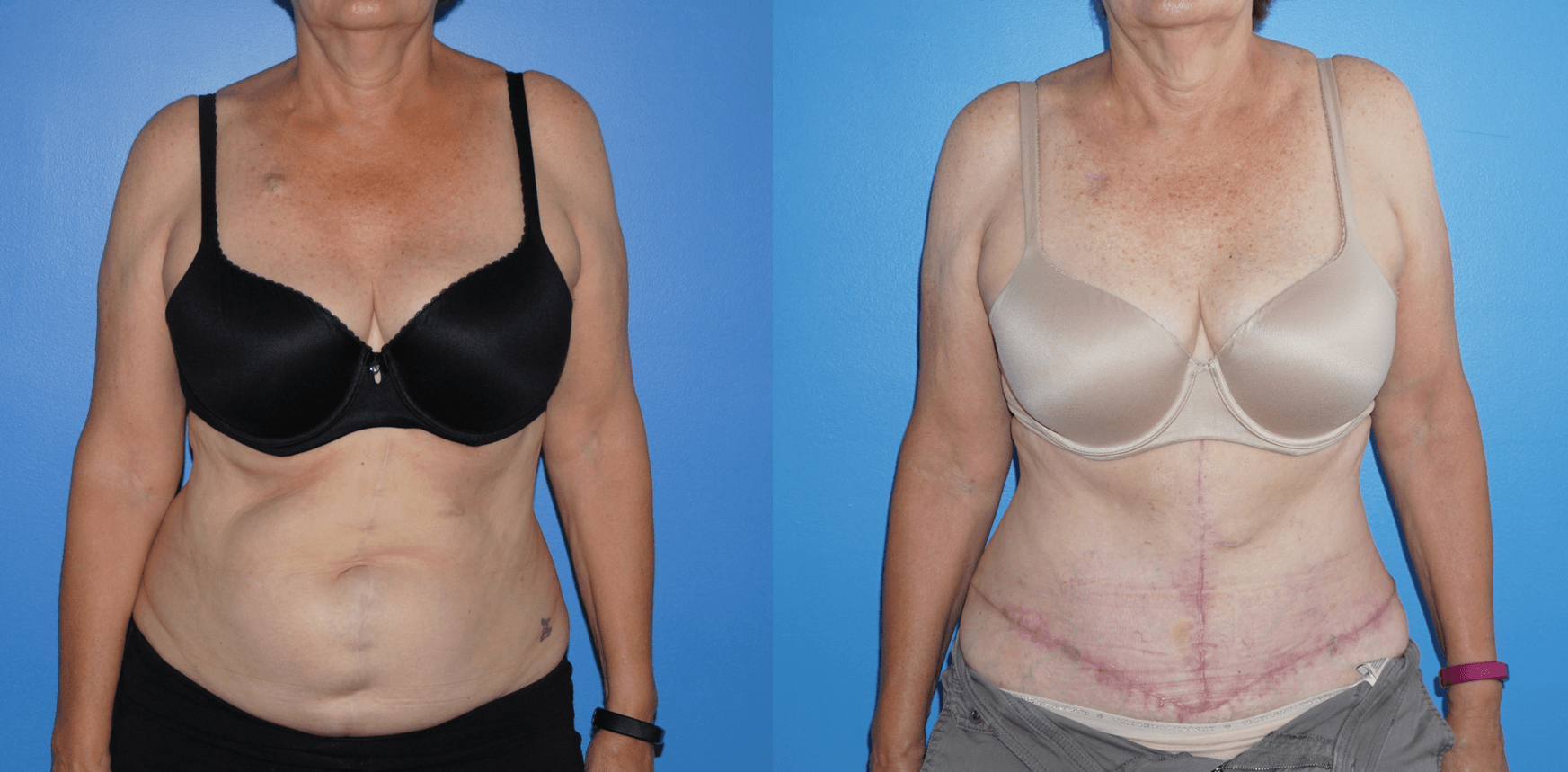
Hernia repairs are common. Often the hernis can be exposed through a lower abdominal incision. The lower abdominal incision is similar to an incision used in a standard abdominoplasty or “tummy tuck” operation. The lower abdominal incision gives access to the entire abdominal wall up toward the ribcage. Any mesh that is placed in a central defect is not located…
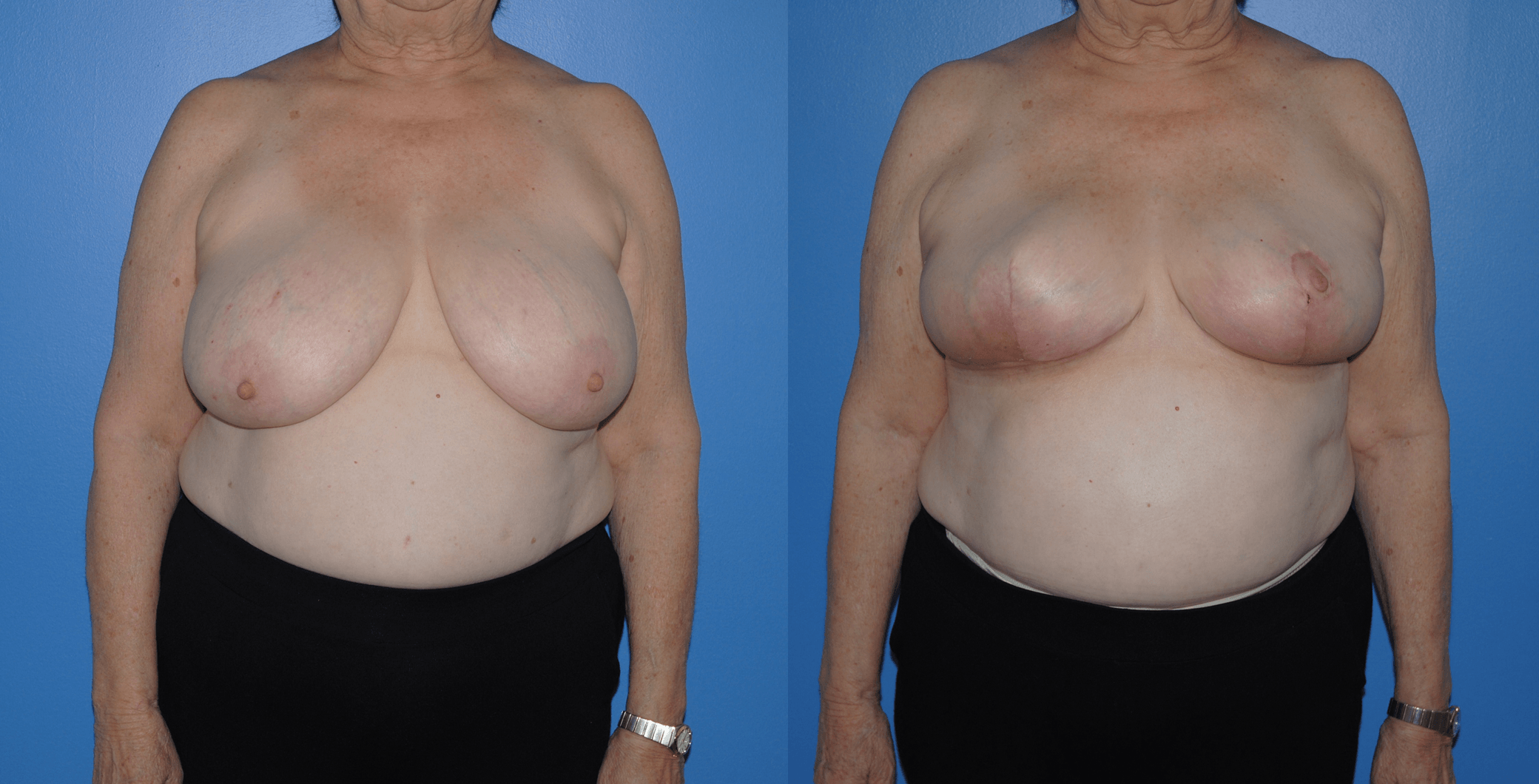
Breast Reconstruction after mastectomy for breast cancer can be broken down into two main classifications: 1) Tissue Expander and Implant Reconstruction and 2) Autologous Tissue Reconstruction. In patients with larger breasts, the maximum size of a silicone gel mammary prosthesis is 800 cc. Often in mastectomy specimens weighing more than 800 grams, the implant is not sufficient to fill the…
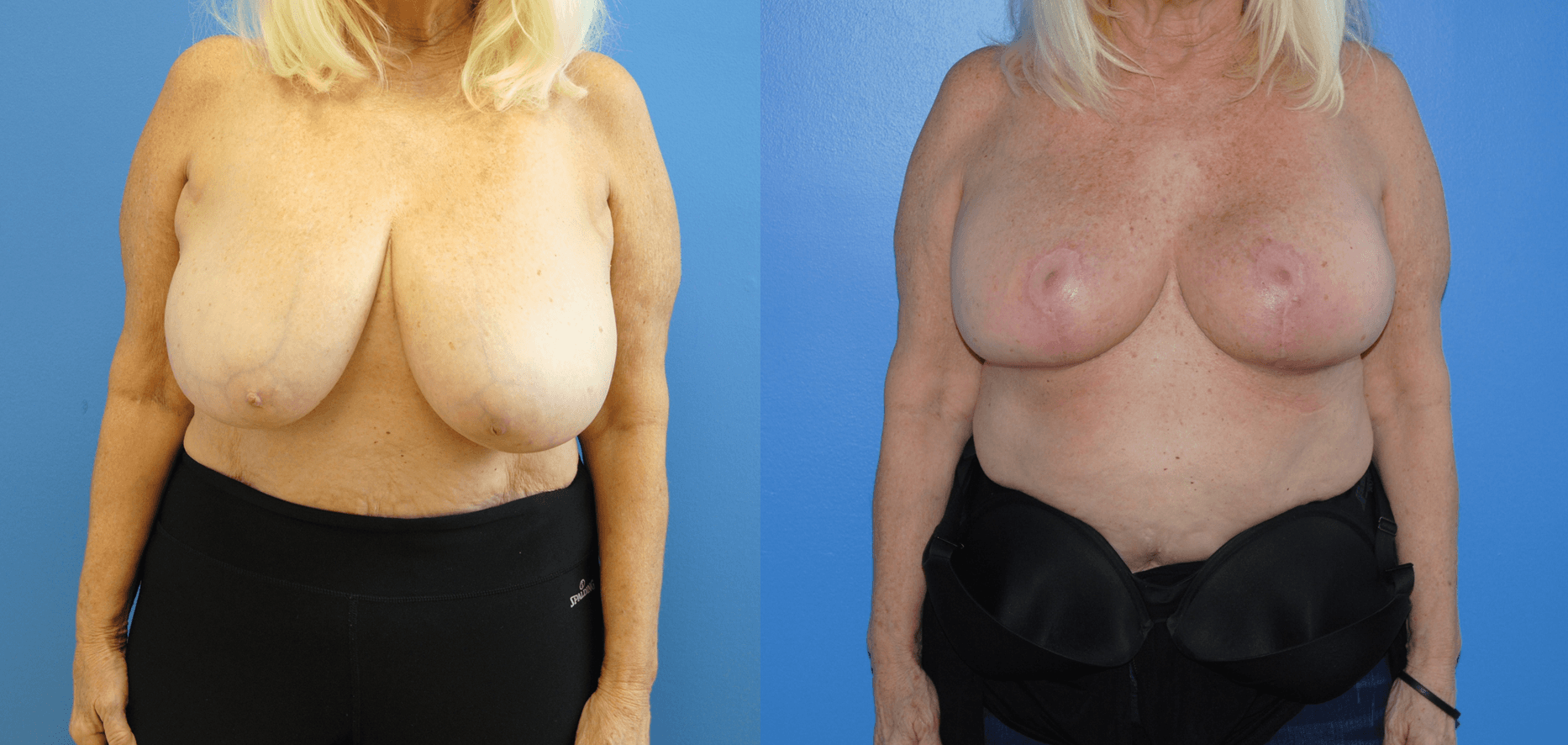
Breast reconstruction in the radiated patient is different than in patients who have not received radiation. Patients who have undergone lumpectomy and radiation or patients who have undergone mastectomy and then radiation typically have a tight skin envelope. At times the skin envelope may be amenable to a breast implant reconstruction. Other times, the skin envelope results in a capsular…